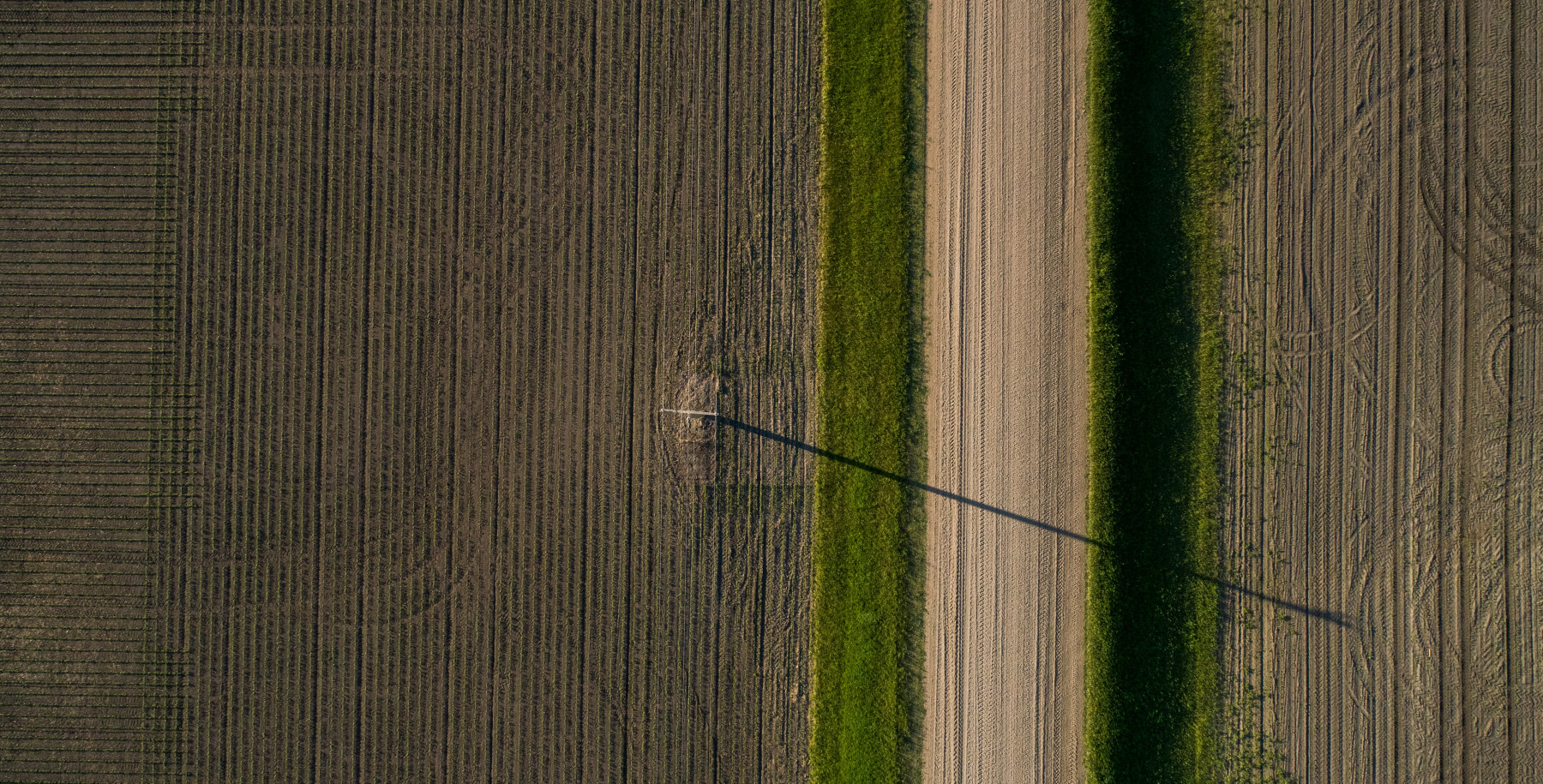
Innovo Agri fully complies with national guidelines, European policies, and broader agricultural regulations. Leveraging an extensive local network of operators, Innovo Agri provides comprehensive support to help clients in achieving their objectives. Our services are meticulously tailored through agronomic planning to maximize the value of each project while enhancing the client’s reputation.
Agronomic due diligence report throughout different stages: from initial red flags to final authorized project.
Executive Agronomic design and plan
Executive procurement plan
Definition of executive monitoring plan Requirements’ compliance assessment.
Agricultural activities management (from RTB to COD)
Preparation of agronomic management plan for the generation and certification of carbon credits.
Fund raising (public incentives, PSR etc)
Cleaning, mowing, pruning, irrigation and other activities for mitigation area
Management of environmental compensations
Monitoring activities and asset management regular reporting
Verification of compatibility with agronomic and mitigation proposals
Analysis of compliance with MASE Guidelines for AgriPV systems
Assessment of compatibility with applicable Regional Guidelines
Evaluation of agricultural component profitability based on market context
Verification of farming contracts and management agreements compliance
Assessment of CAPEX consistency for agricultural and mitigation components
Verification of compliance with Guidelines for Advanced AgriPV systems (if applicable)
Verify project compliance between the executed works and the executive project based on SAL documents.
Assess conformity of supplies with project specifications and relevant regulations (e.g., health and safety).
Check compliance with authorization conditions related to environmental, agricultural, and agronomic aspects of the works.
Analysis of documentation produced from time to time by the client, including through the plant’s supervision and monitoring system
Analysis of company records and the financial results of the agricultural activity, including through examination of the farm diary, the records normally kept by agricultural businesses, and data from company’s instrumental surveys
Verification of the terms provided in the lease and/or operational agreement (if present)